


What Triggers the Hudson River’s Spring Plankton Bloom?
Though it’s been a particularly snowy winter, one of our favorite signs of spring is finally here in Hudson River Park: the plankton bloom! This annual phenomenon takes place under the surface of the Hudson River, as drifting plants, animals and other organisms, collectively called plankton, begin to rapidly reproduce and multiply. Plankton may be microscopic, but they’re enormously important: these organisms are the foundation of our Hudson River ecosystem and provide half of our oxygen worldwide. Their annual bloom is a show-stopping showcase of seasonal biodiversity, best seen under a microscope!
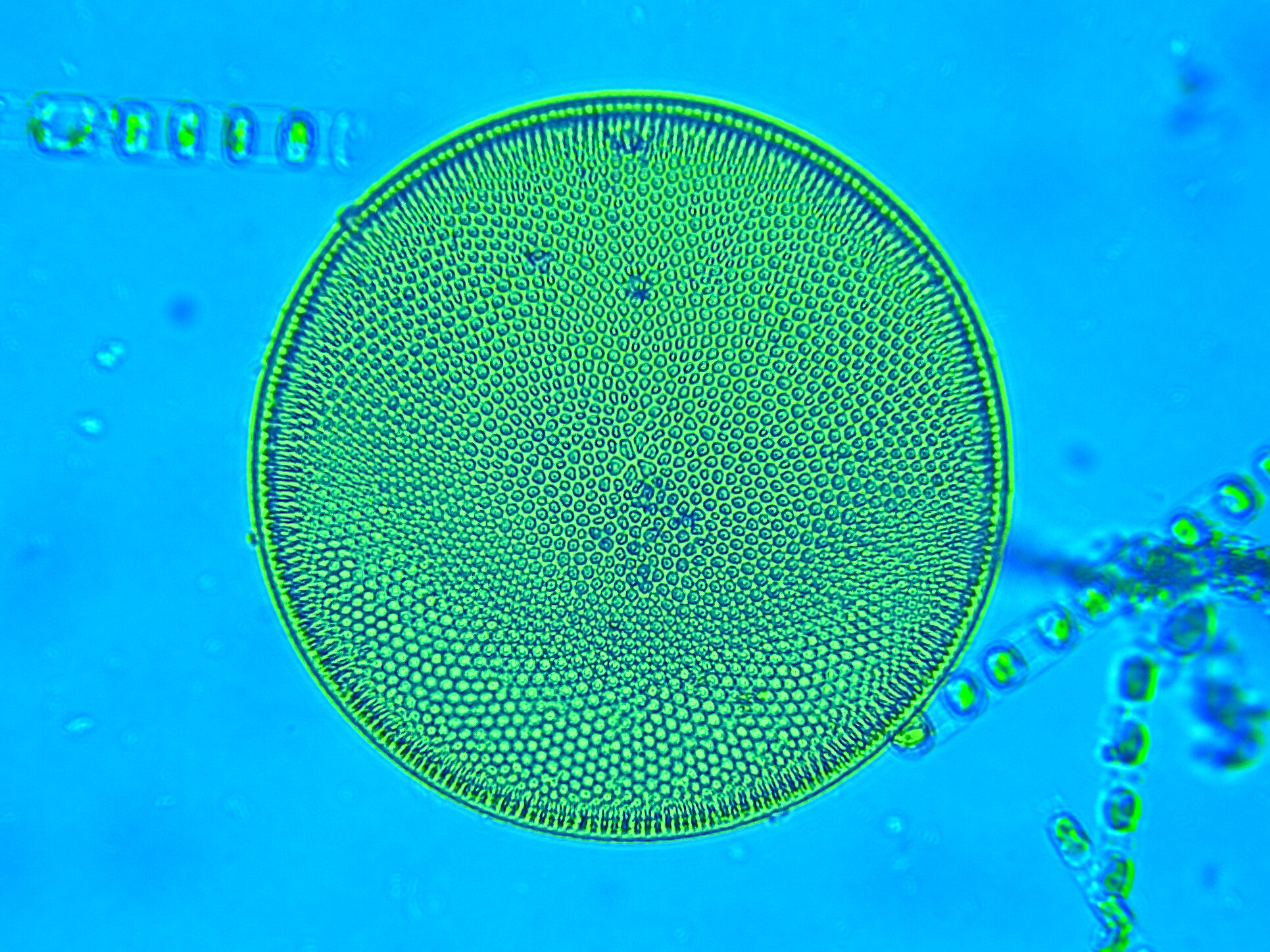
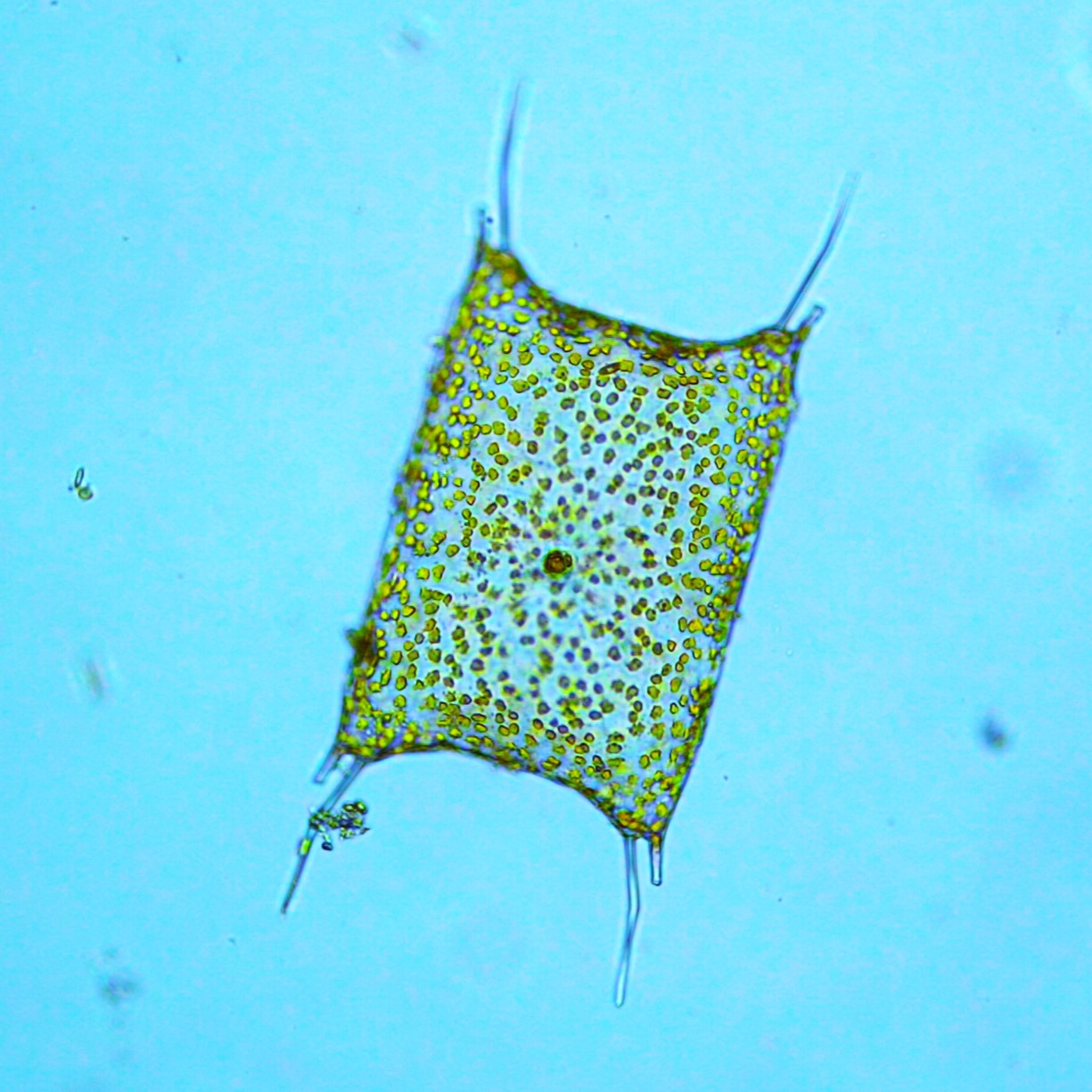
Check out a sampling of the plankton we see during this annual phenomenon in the Hudson River:
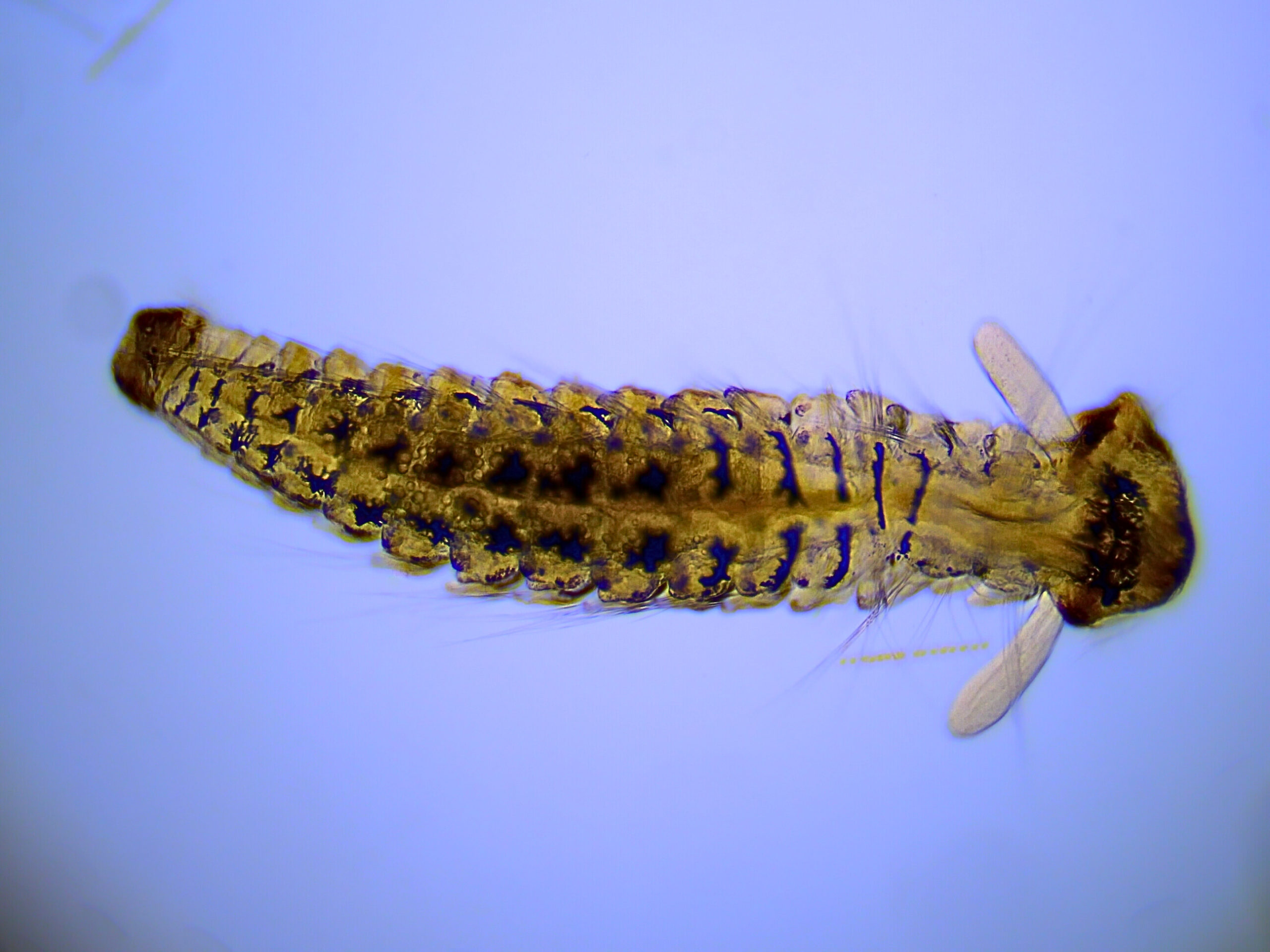
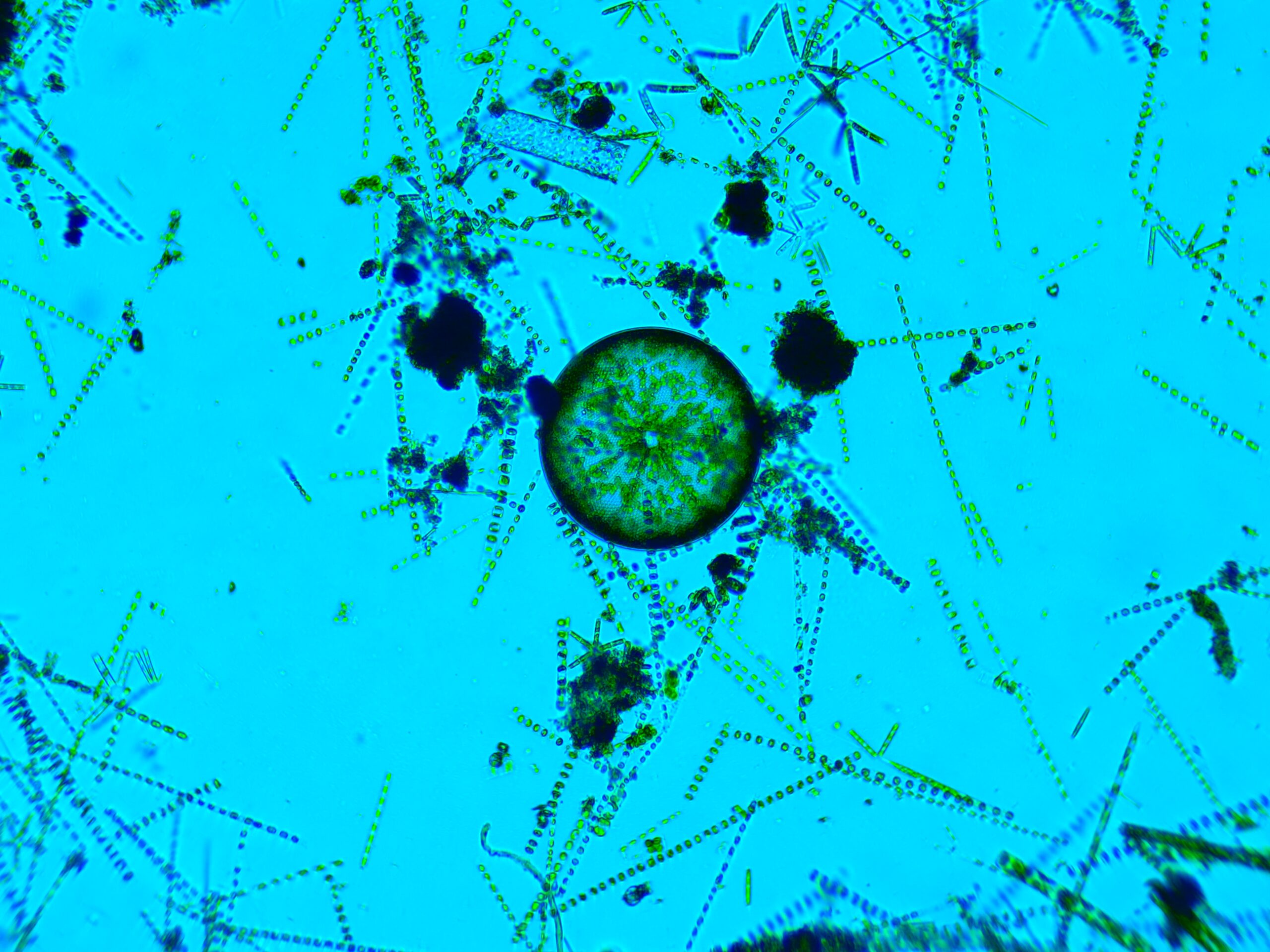
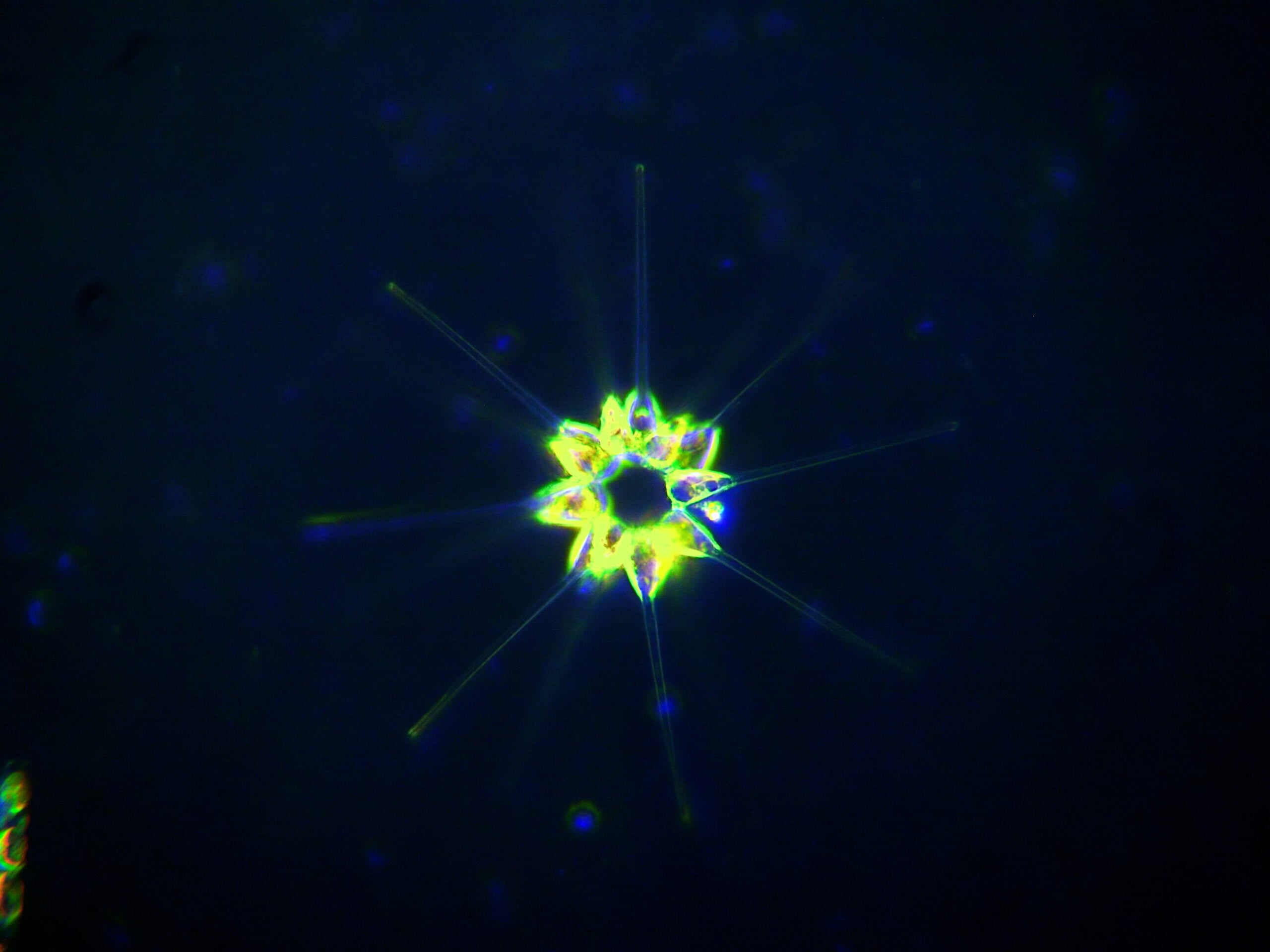
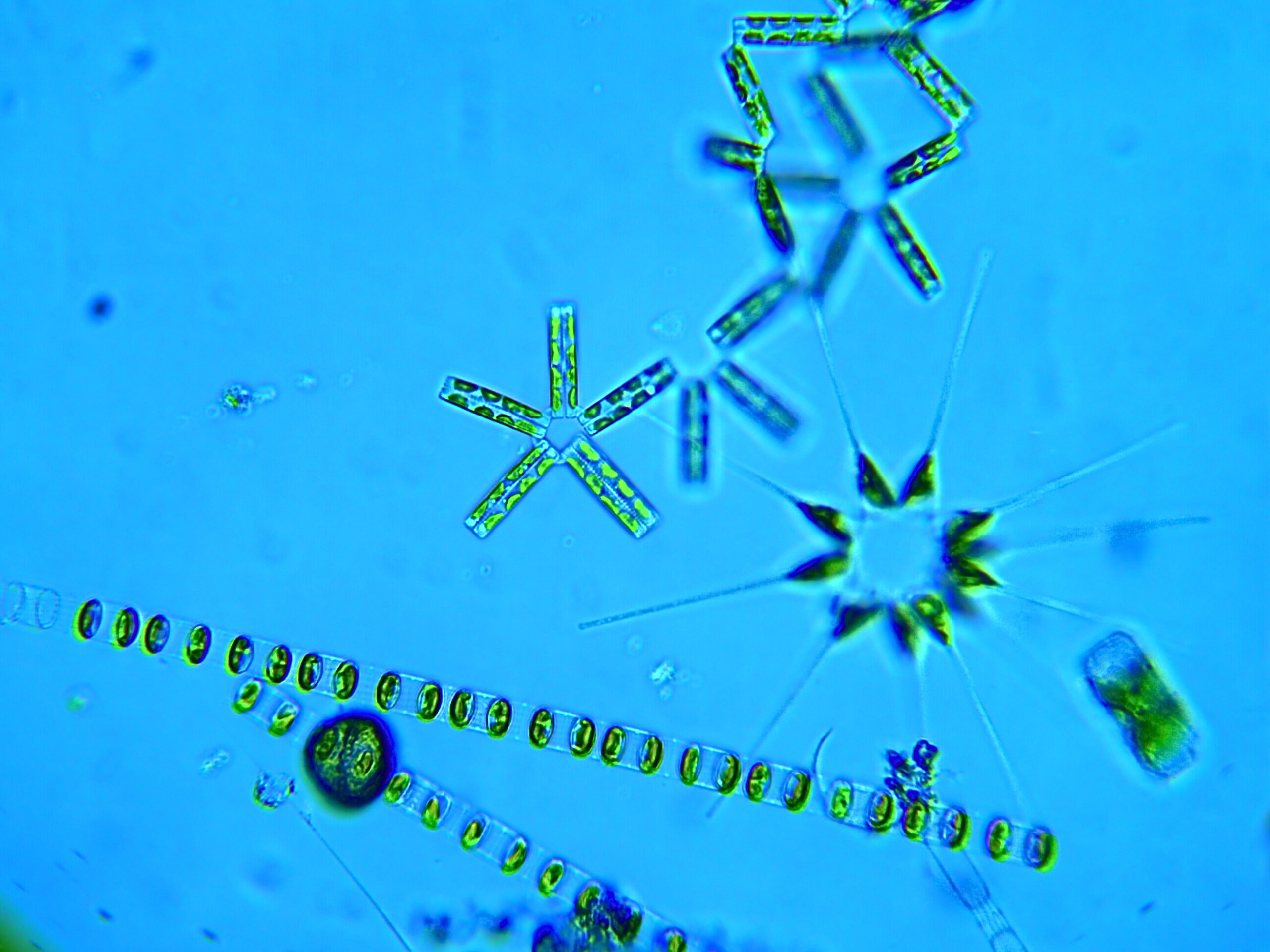
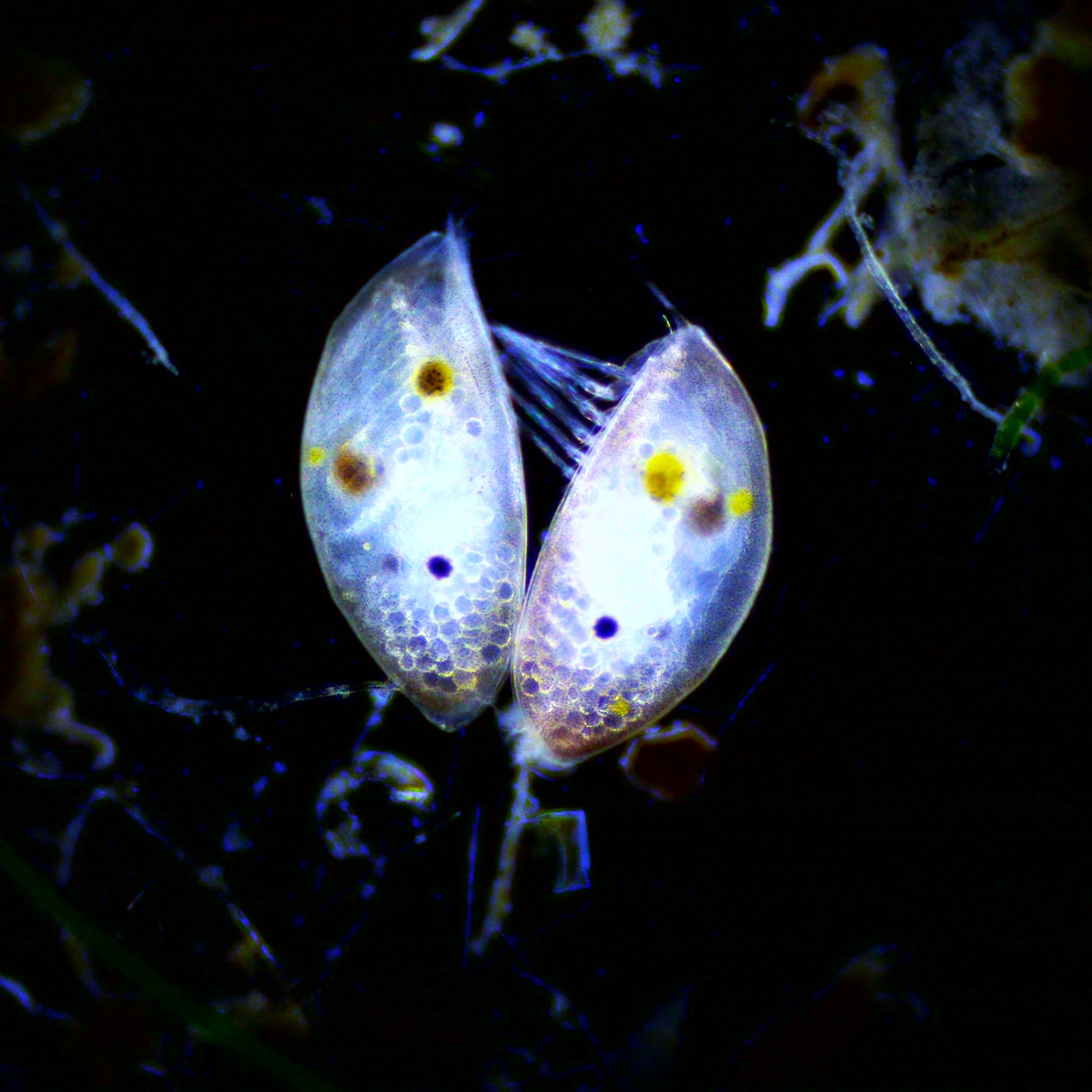
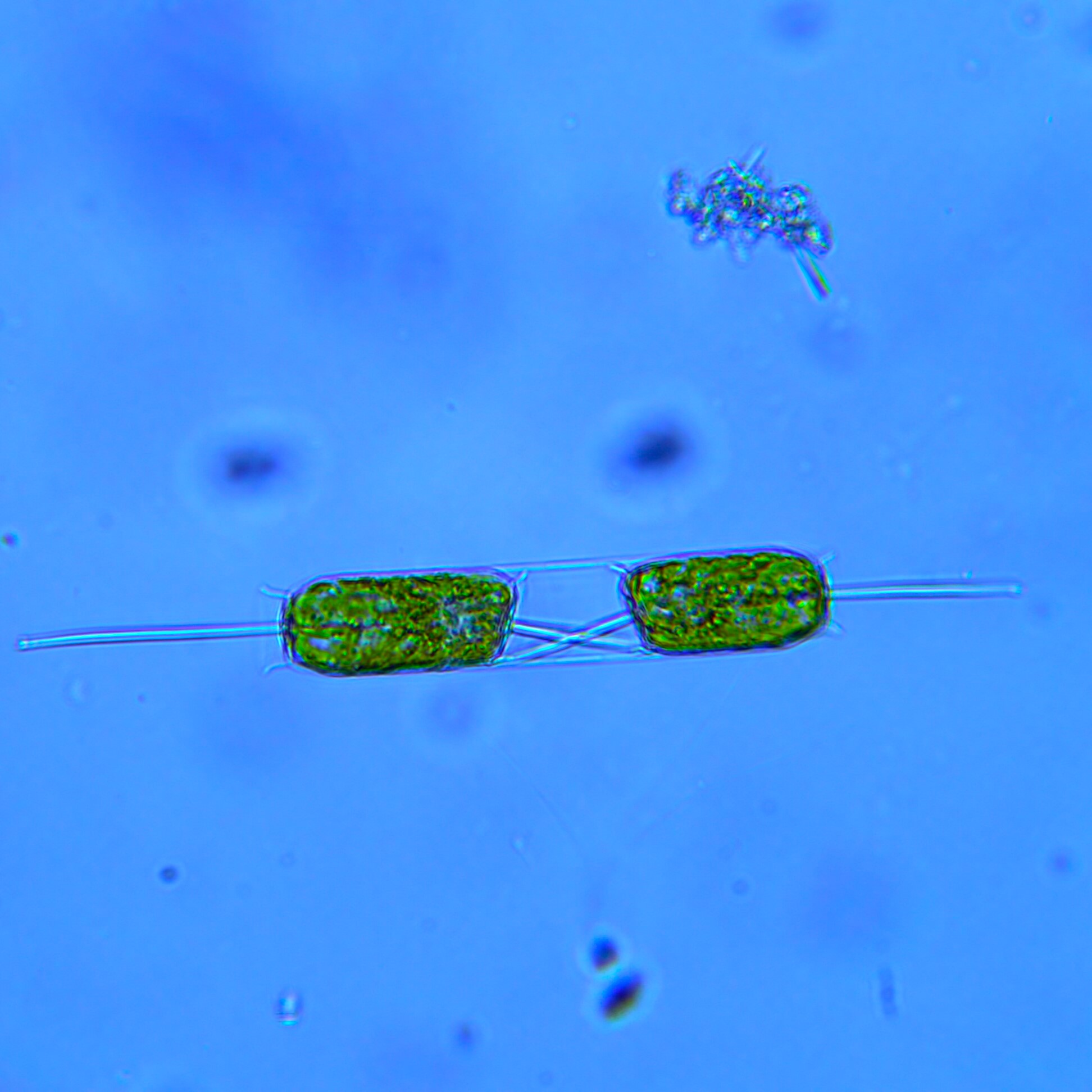
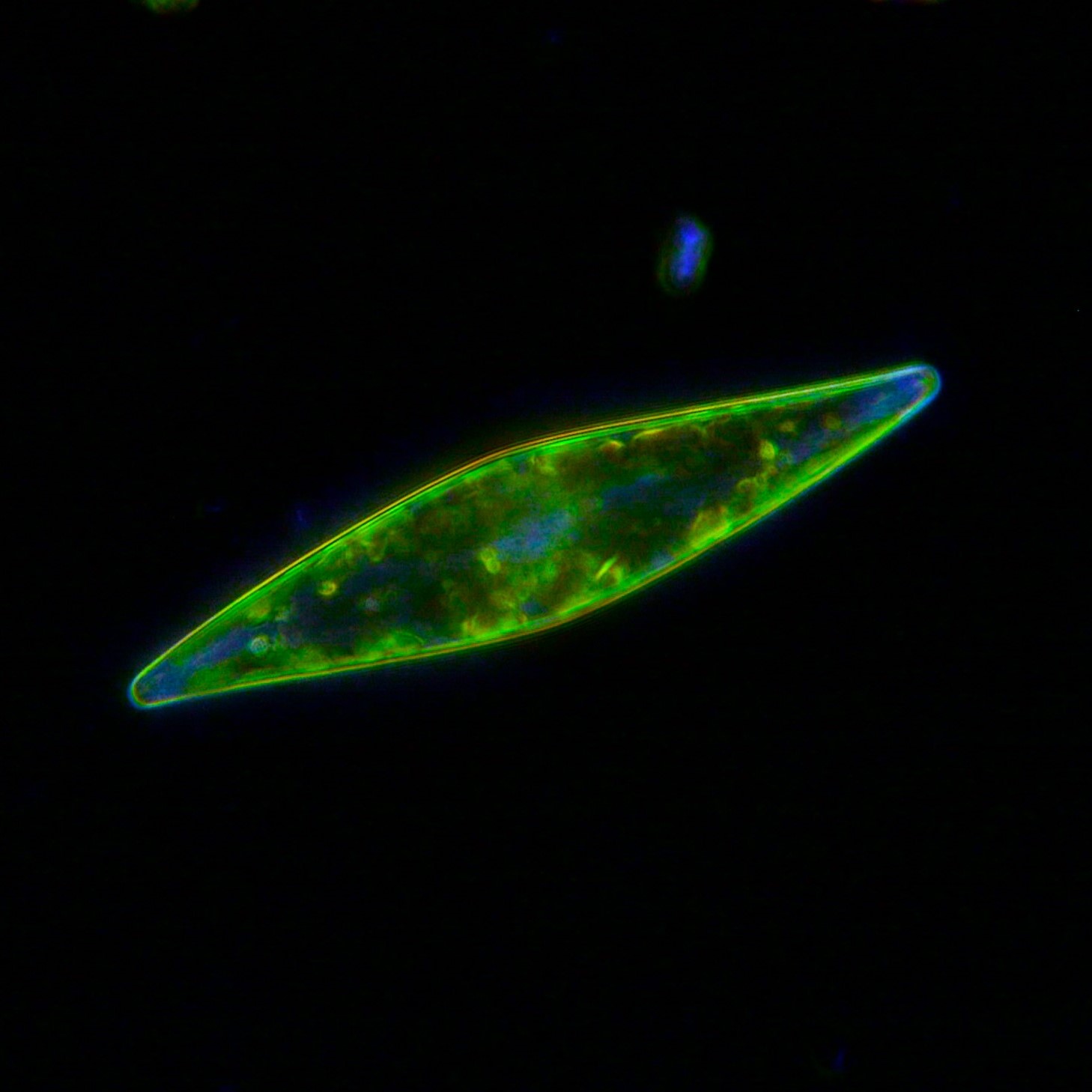
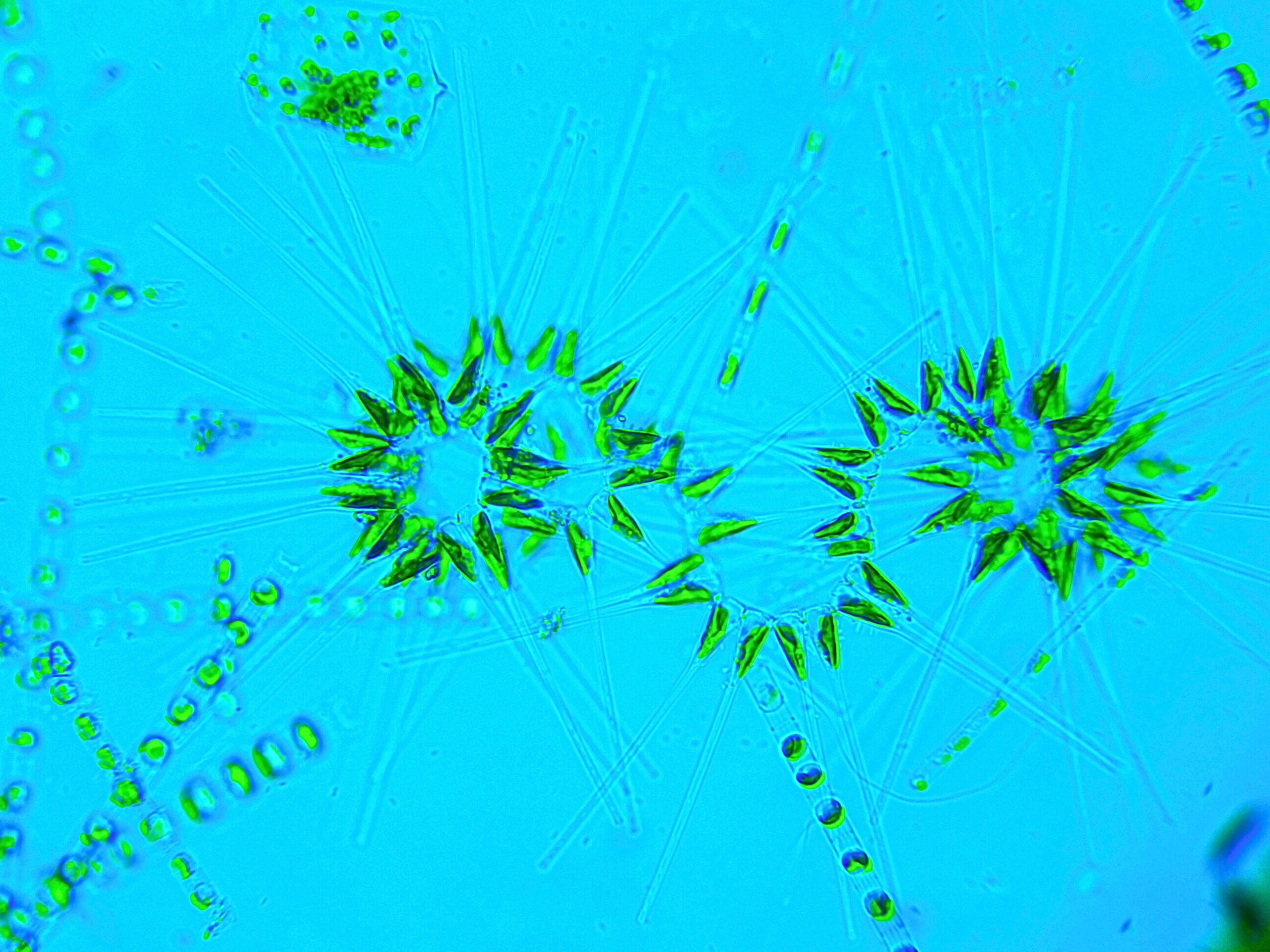
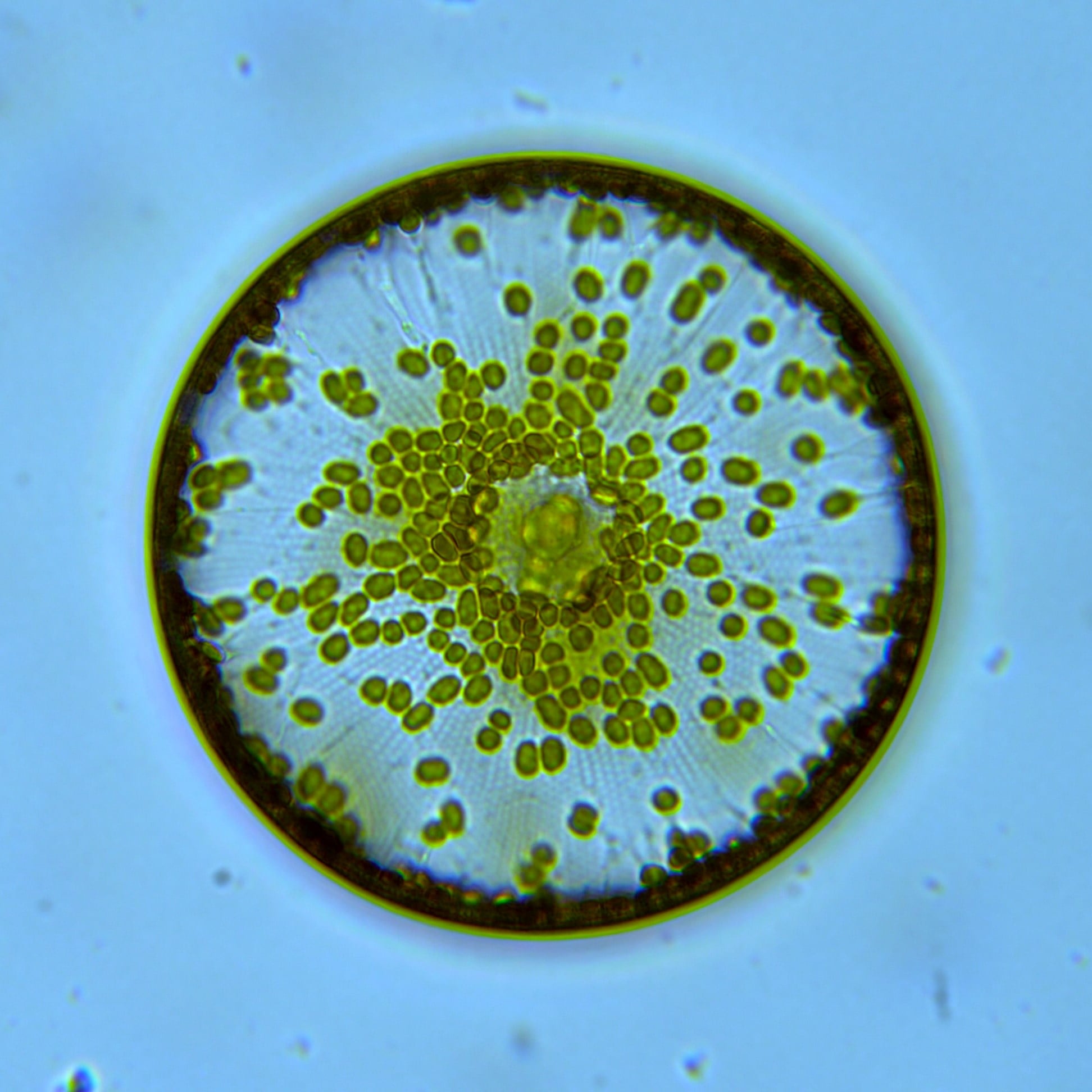
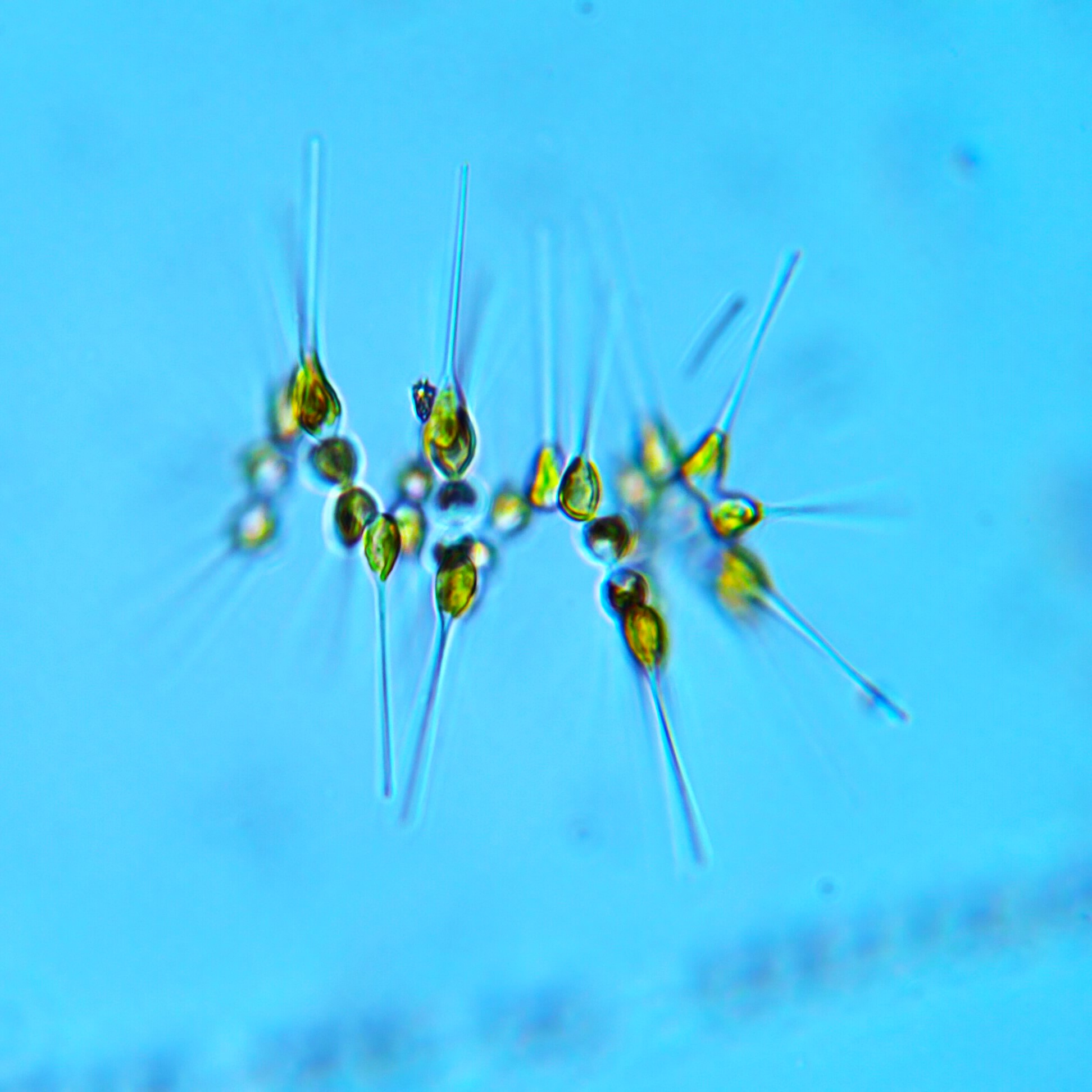
But what makes this bloom happen each year? There are several factors that play a role in the dynamics of our favorite annual microscopic event, including the availability of nutrients, sunlight and temperature, all of which can be impacted by human activity. When the right balance of conditions is realized, plankton are able to rapidly increase their population. And since plankton are one of the main sources of primary production (energy and biomass generated by organisms that perform photosynthesis) in estuaries, including Hudson River Park's waters, variations in their population reverberate throughout their ecosystem. Taking a closer look at how our behavior as humans influences this annual bloom offers a useful starting point for exploring our wider impacts on the estuarine ecosystems around us.
Nutrients
From viruses to blue whales, all living things require nutrients in order to grow and reproduce. In the plant world, available nutrients refer to elements and molecules that can be absorbed and used by plants. For plant-like plankton, collectively known as phytoplankton, available nutrients are an essential ingredient to the annual blooms that we observe in the Hudson River.
So how do nutrients normally become available in aquatic systems?
Usually, the answer is through seasonal mixing and upwelling. In temperate environments, seasonal changes in temperature help mix the water column. In the winter, water at the surface cools at a faster rate than water at the bottom of the River. This causes the denser cold water to sink and pushes deeper water towards the surface. This deeper water is more nutrient-rich than average surface water, so this mixing effect introduces a wealth of available nutrients to temperate surface waters where it can be used by phytoplankton.
Human activities can also introduce nutrients to our waterways, though this is a form of pollution. Nutrient pollution can come from a number of different sources, but fertilizer use is the most common. When fertilizers are used to help plants grow in a farm, yard or garden, only a portion of the nitrogen, phosphorus and potassium applied are used by the targeted plants. The excess remaining nutrients are transported through groundwater, wind and runoff to nearby aquatic environments.
The introduction of excess nutrients can cause issues in our waterways by exacerbating natural plankton blooms or creating bloom conditions outside of normal times. In the most extreme cases, this can create harmful algal blooms (blooms that have negative impacts for other organisms, including humans) as well as dead zones (areas of water with very little to no dissolved oxygen).
Sunlight
Available sunlight is a critical ingredient for plants to perform photosynthesis. As the earth rotates around the sun, the tilt of our planet's axis means that different parts of the planet receive more or less direct sunlight at different times of the year, leading to areas experiencing warmer and cooler seasons based on the amount of sunlight received. This is important because in plankton communities, phytoplankton rely on available sunlight to perform photosynthesis.
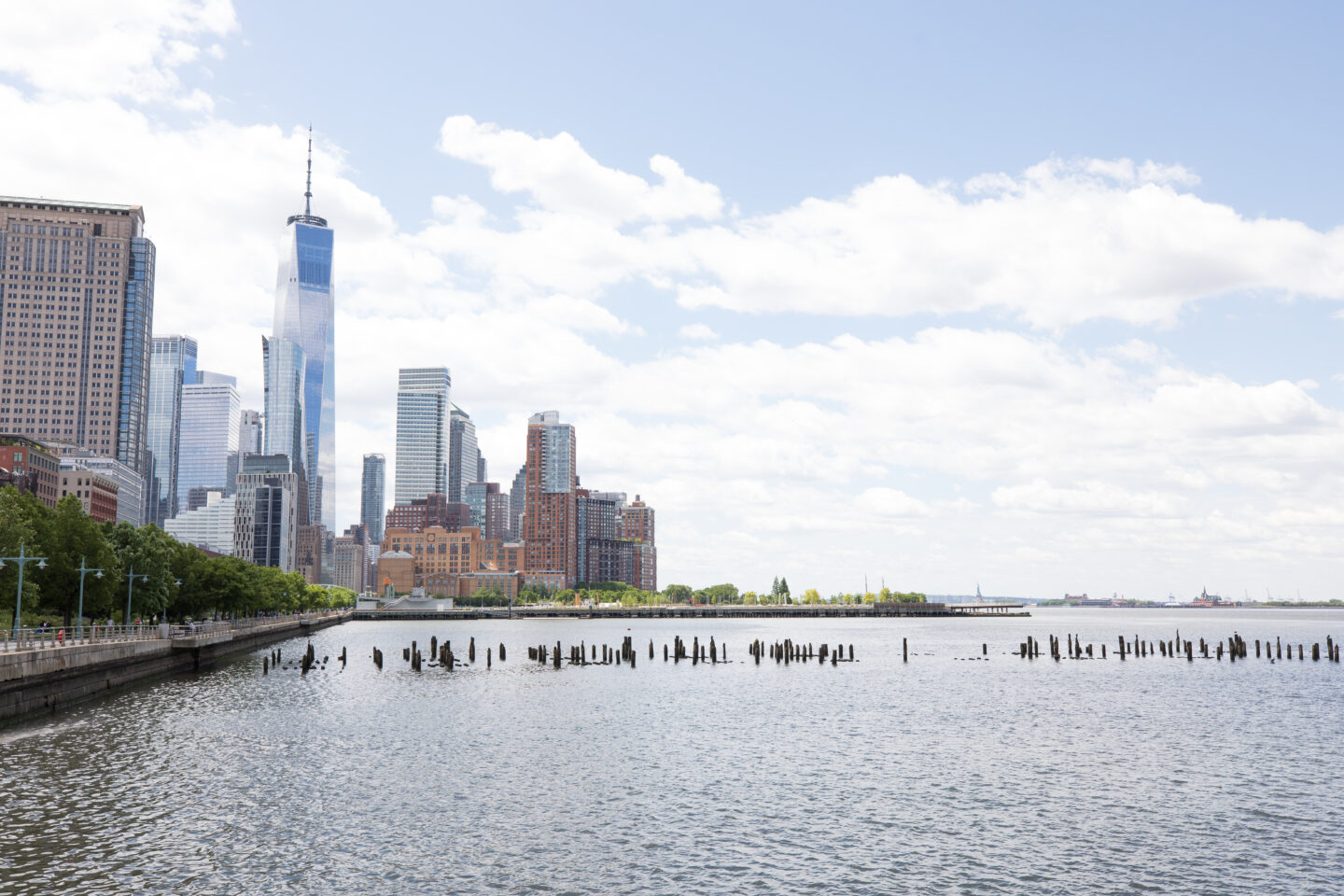
One way that human activity has impacted available sunlight for plankton is through marine pollution. Like plants and trees in a forest, phytoplankton naturally compete with one another for light. When other floatable materials like plastics are introduced into the water column, they block sunlight that would normally be used by phytoplankton, algae and submerged aquatic vegetation to grow, reducing the productivity of these environments. This is one of the many reasons that we choose Park Over Plastic to support our local waterways in helping to reduce the harm single-use plastics cause on our local environment.
Temperature
Like other organisms, individual plankton species prefer different conditions. As conditions in our environment change, we observe corresponding changes to the volume of certain plankton species. This means that one species might be more prevalent at the beginning of the bloom, while another increases in population later in the cycle. We see this sequential variation in plankton blooms each year. For example, early on in bloom cycles, chains of Skeletonema spp. are present in large numbers, while in the following weeks species of Odontella spp. and Coscinodiscus spp. begin to make up a larger proportion of phytoplankton communities in collected samples.
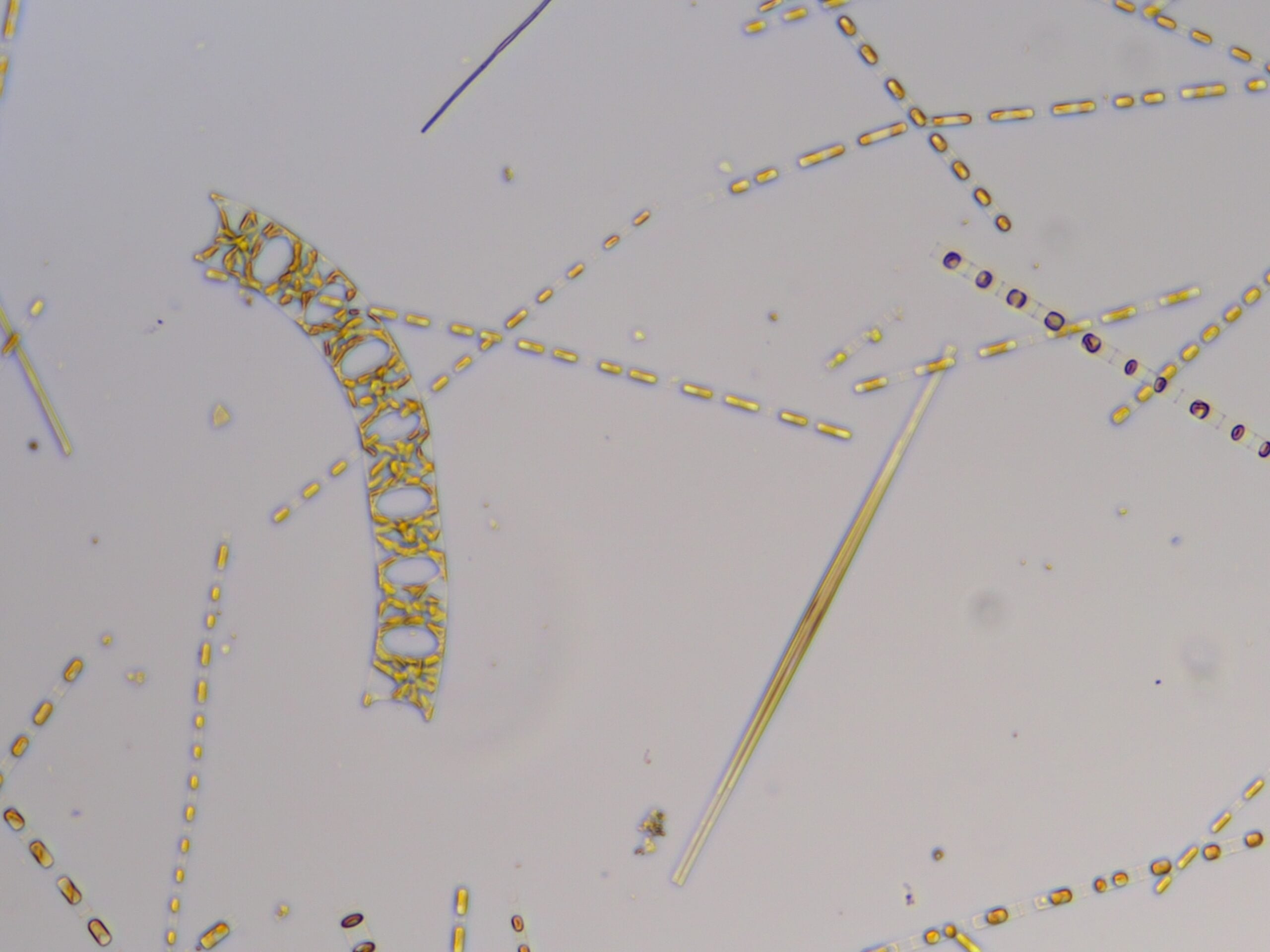
Unfortunately, human activity can also impact water temperature changes through the effects of ongoing global climate change. Picture our atmosphere like a blanket surrounding Earth, which maintains a stable temperature. When we burn fossil fuels like coal, oil and natural gas, excess carbon dioxide is released into the atmosphere, thickening this blanket and trapping more heat over time. Methane, another prevalent greenhouse gas that is most commonly associated with the livestock industry, also contributes to this warming effect. Our oceans absorb much of this heat, causing water to expand and average global water temperatures to increase.
For plankton, these changes can affect what areas of the world different species are able to occupy. This is especially concerning for cold-water plankton species, who are at risk of disappearing entirely if conditions in their habitat continue to change at such a rate. Additionally, changes in temperature patterns can affect the intensity of seasonal mixing, which may have resounding effects throughout the various food webs that plankton support.
Plankton Research and Conservation
Due to their importance to environments across the globe, research and conservation of plankton populations is a growing topic in environmental science. These projects range from studying plankton biodiversity in samples to remote sensing of plankton density through fluorescence of chlorophyll pigments detected by satellites. As our understanding of plankton populations dynamics and the factors that affect them increases, so will our ability to model the consequences of human impact in aquatic systems grows stronger.
You can make a difference too! Plankton are the irreplaceable foundation to our ecosystem and are negatively impacted by plastic pollution and increasing water temperatures. Below are a few ways you can support the mighty producers that provide 50% of the world’s oxygen:
- Refuse single-use plastics & reduce your reliance on plastic-based items
- Compost organic food waste at one of the Park’s 10 drop-off locations open 7 days a week to prevent excess waste from being transported to landfills
- Consider alternative methods of transportation like biking or public transit to reduce your dependence on fossil fuels
Take a Deeper Dive
- Stop by our Pier 57 Discover Tank during Guided Gallery hours this month where we’re talking all things plankton, from live samples to interactive games and more! Visit staging.hudsonriverpark.org/events for program details.
Keep exploring to learn how we sample and study plankton populations, and familiarize yourself with some of few of the many different kinds of plankton that we encounter.